
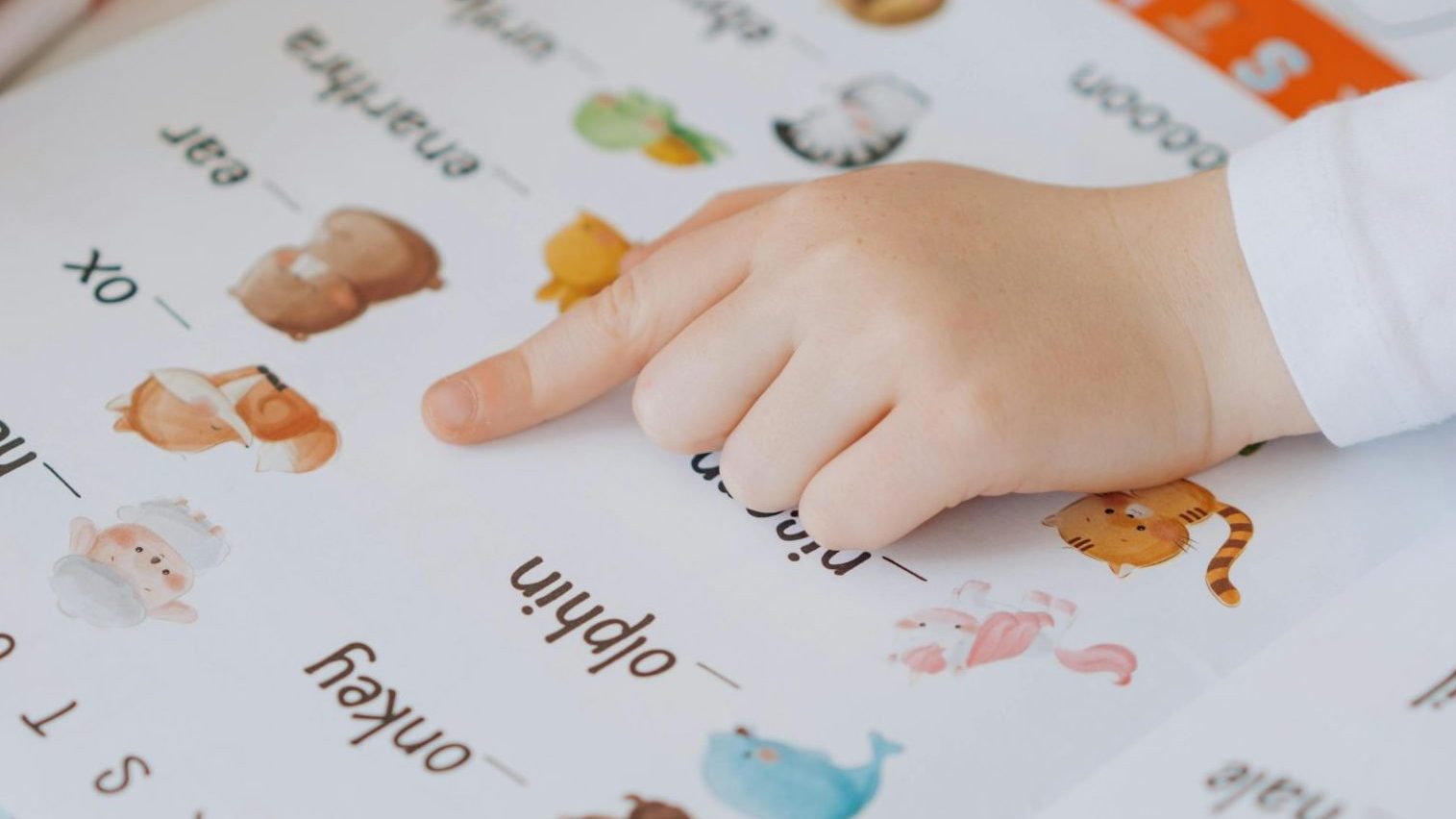
In an increasingly interconnected world, the ability to speak more than one language is rapidly becoming a valuable skill. For children, learning a second language early in life not only opens doors to communication but also sets the stage for a lifetime of cognitive, social, and professional benefits. Here, we explore why introducing a second language during childhood is one of the greatest gifts parents and educators can provide.
The Cognitive Benefits
Learning a second language requires the brain to navigate complex systems of grammar, vocabulary, and pronunciation. This mental exercise enhances cognitive abilities in profound ways. Studies have shown that bilingual children often outperform their monolingual peers in tasks that involve problem-solving, critical thinking, and multitasking. Their brains become adept at switching between languages, which strengthens executive function—the mental processes that allow us to plan, focus attention, and manage multiple tasks.
Furthermore, early exposure to a second language has been linked to improved memory and creativity. The mental flexibility developed through language learning helps children see problems from diverse perspectives, think outside the box, and come up with innovative solutions.
Social and Emotional Advantages
Learning a second language fosters empathy and cultural awareness. As children learn the nuances of another language, they also gain insight into the culture and traditions associated with it. This exposure helps them develop a broader worldview, an appreciation for diversity, and an understanding of different ways of life. These qualities are essential in today’s multicultural societies and can help children form meaningful relationships with people from various backgrounds.
Additionally, bilingual children often display stronger communication skills. They become skilled listeners and better interpreters of nonverbal cues, which enhances their ability to connect with others. These social skills can boost confidence and help children navigate a variety of interpersonal situations throughout their lives.
Academic Success
Learning a second language has been shown to improve academic performance. Bilingual children tend to have stronger reading, writing, and comprehension skills in their first language, as the process of learning a new language reinforces their understanding of linguistic structures. Moreover, the analytical skills developed through language learning can contribute to success in subjects like math and science.
Standardised test scores also reflect the advantages of bilingualism. Research indicates that children who are proficient in more than one language often score higher on tests that measure verbal and non-verbal abilities. The cognitive and academic benefits of bilingualism provide a strong foundation for lifelong learning.
Professional Opportunities
In an increasingly globalised economy, bilingualism is a highly sought-after skill in the job market. Proficiency in a second language can open doors to careers in international business, diplomacy, healthcare, tourism, and many other fields. Employers value employees who can communicate with clients and colleagues from different linguistic backgrounds, and bilingual individuals often have a competitive edge.
Starting language learning early gives children the opportunity to achieve fluency and confidence by adulthood. This head start can make a significant difference in their career prospects and earning potential.
The Best Time to Start
While it’s never too late to learn a new language, early childhood is the optimal time. During these formative years, the brain is highly adaptable and primed for language acquisition. Young children are better at mimicking sounds and grasping grammar rules without the effort that older learners often experience. Immersion in a second language at a young age can lead to native-like fluency, making the process both enjoyable and effective.
How to Encourage Language Learning
Parents and educators can foster language learning by creating a supportive and engaging environment. Enroll children in language classes, expose them to bilingual books and media, and encourage interactions with native speakers. Games, songs, and cultural activities can make the learning process fun and immersive. Consistency and positive reinforcement will help children stay motivated and build confidence in their language abilities.
A Lifelong Gift
Teaching children a second language is more than just a practical skill—it’s a lifelong gift. It sharpens the mind, enriches the soul, and broadens horizons. By unlocking the potential of bilingualism, we equip the next generation with the tools they need to succeed in a diverse and interconnected world. For parents and educators, investing in language learning early is one of the most impactful ways to help children thrive.
Comments are closed